
BETWEEN THE LINES: Japanese crime fiction (Part 1)
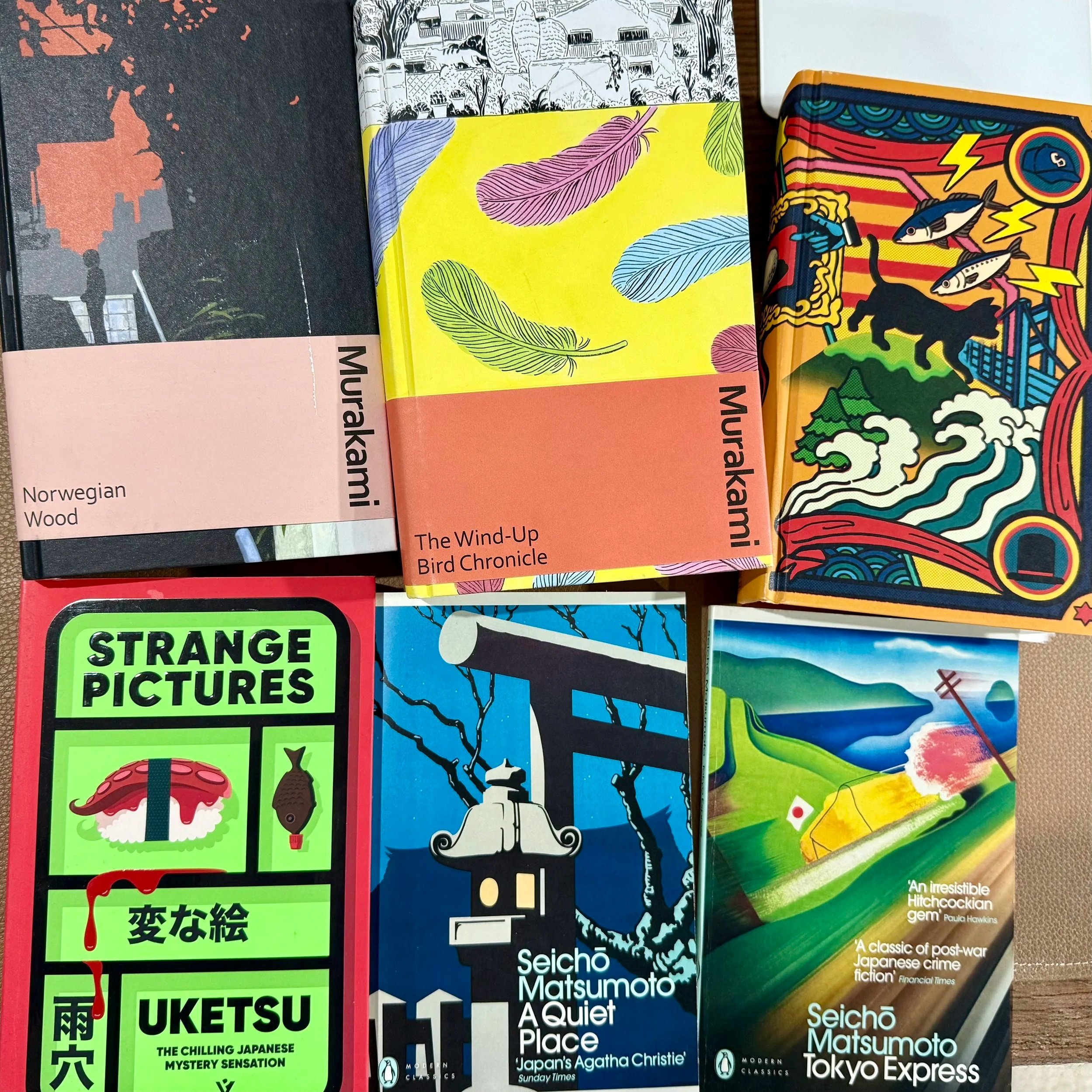
A Selection of Japanese Crime Thrillers (Image: Damien Wilkinson)
There has been a proliferation of English translations of Japanese fiction of late with crime thriller novels such as “Butter” by Asako Yuzuki hitting the best sellers list.
Having dipped into the genre myself I’ve reviewed some recent novels I’ve read here, which might help with a few pointers for entry into this growing sector.
Strange Houses - Uketsu (translated by Jim Rion) (Pushkin Vertigo)
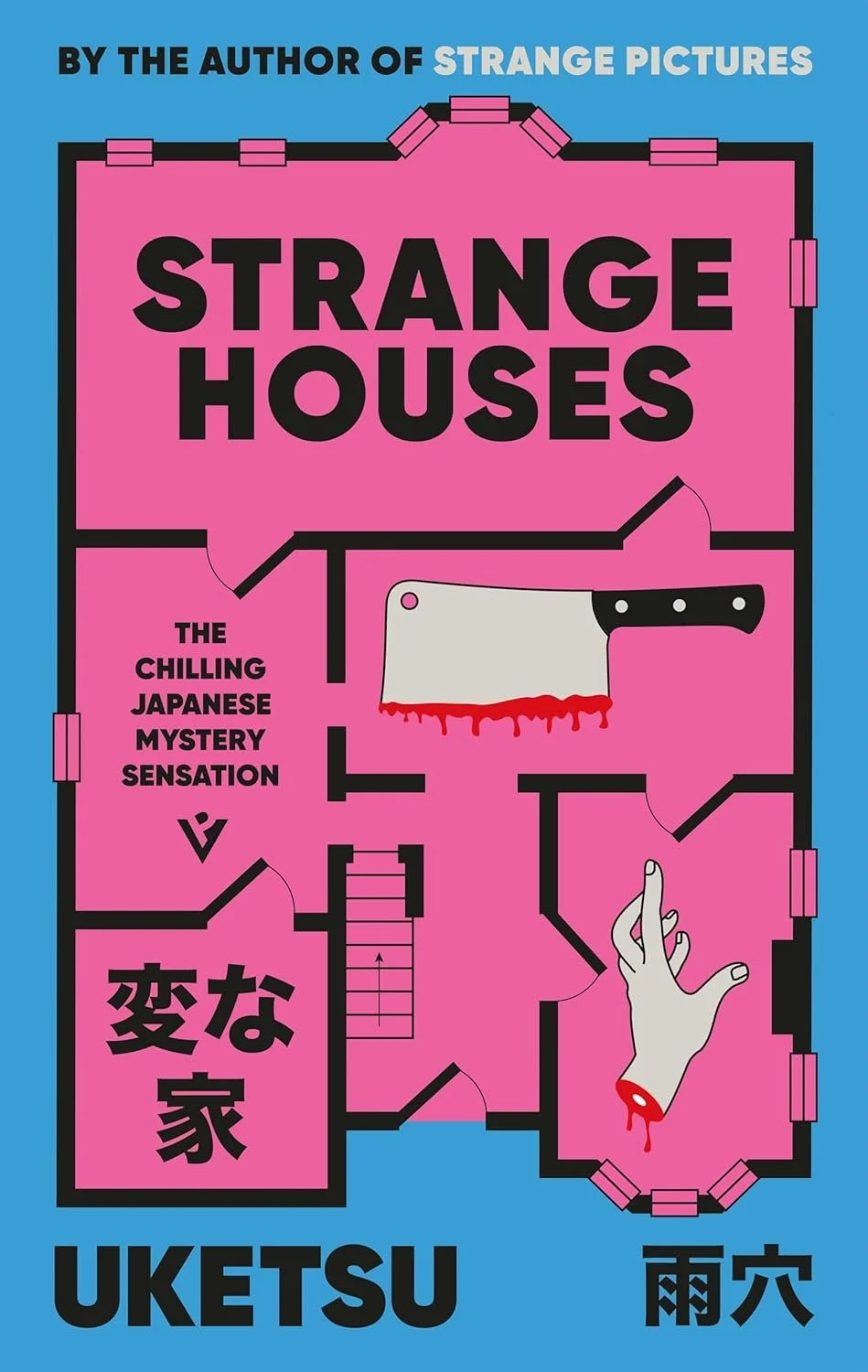
Strange Houses book (Image: Amazon)
YouTuber Uketsu has taken the Japanese literary and film world by storm with a focus on mystery, horror and the surreal. He creates surreal short films and writes mystery and horror fiction and has a created his own level of mystique being a mask wearing, voice modulating person of non-identity. Furthermore his name is also fictitious meaning “rain hole”.
The novel was originally published in Japan in 2021 but has been subsequently translated into English and released in 2025.
The novel’s distinguishing feature is its use of images, such as detailed diagrams of the house plans as a key feature of the story.
It quickly becomes a rapid page-turner as the plot develops and reaches a surprising and eerie conclusion.
Strange Pictures - Uketsu (translated by Jim Rion) (Pushkin Vertigo)
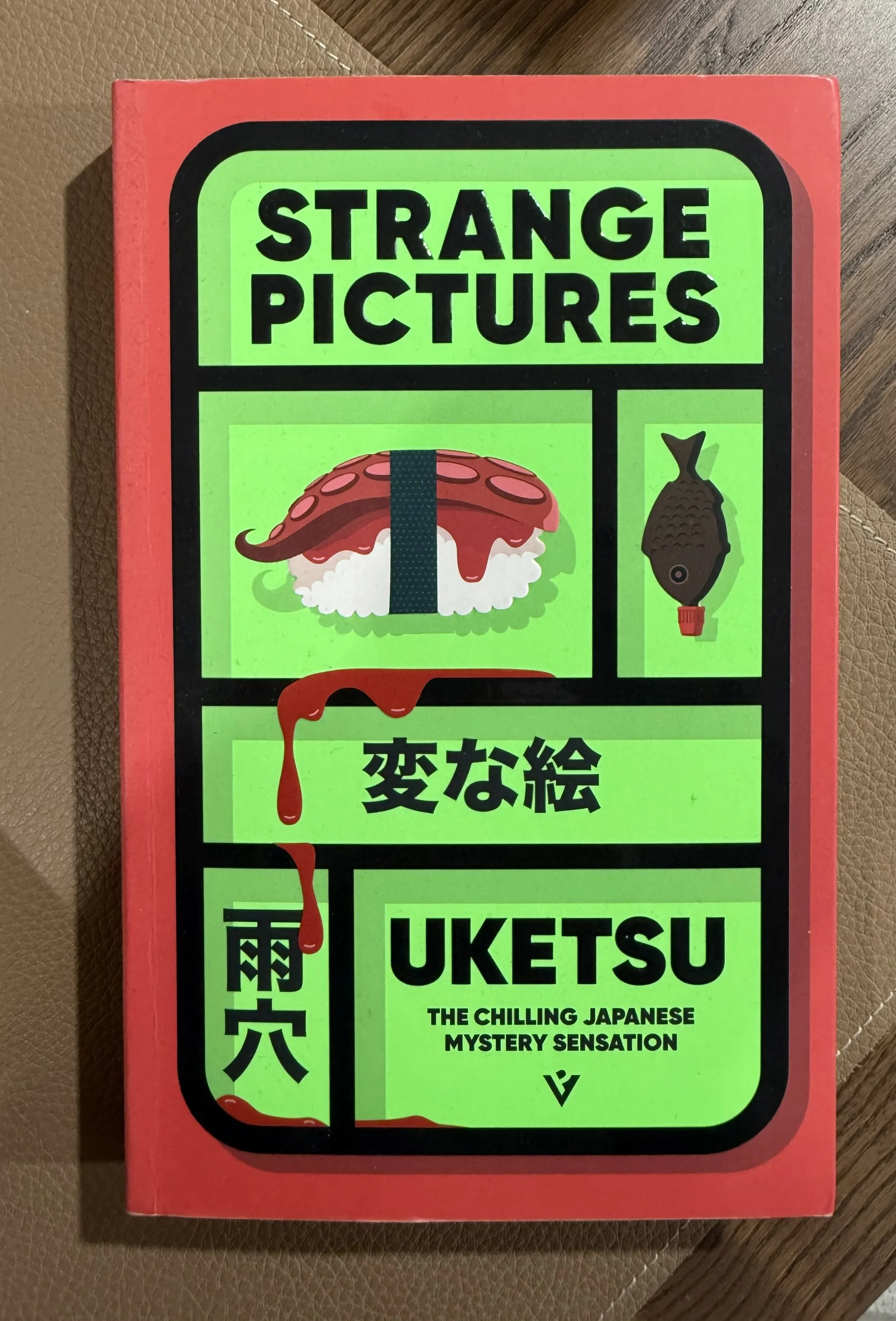
Strange Pictures, Uketsu’s Mystery Puzzle (Image: Damien Wilkinson)
Uketsu’s “Strange Pictures” follows “Strange Houses” and again an English translation of the 2022 novel was made available in 2025.
The two novels are only very loosely related and both can be read independently or probably in any order.
“Strange Pictures” does however follow the innovative use of pictorial formats as an integral part of the narrative.
Also similarly, the book encourages a rapid reading pace as the story unfolds and the connections between what seem to be remote mysteries are cleverly drawn together.
The “Strange” books recently become a trilogy with “Strange Buildings” released in February 2026.
The Tokyo Express - Seicho Matsumoto (translated by Jesse Kirkwood) (Penguin Classics)
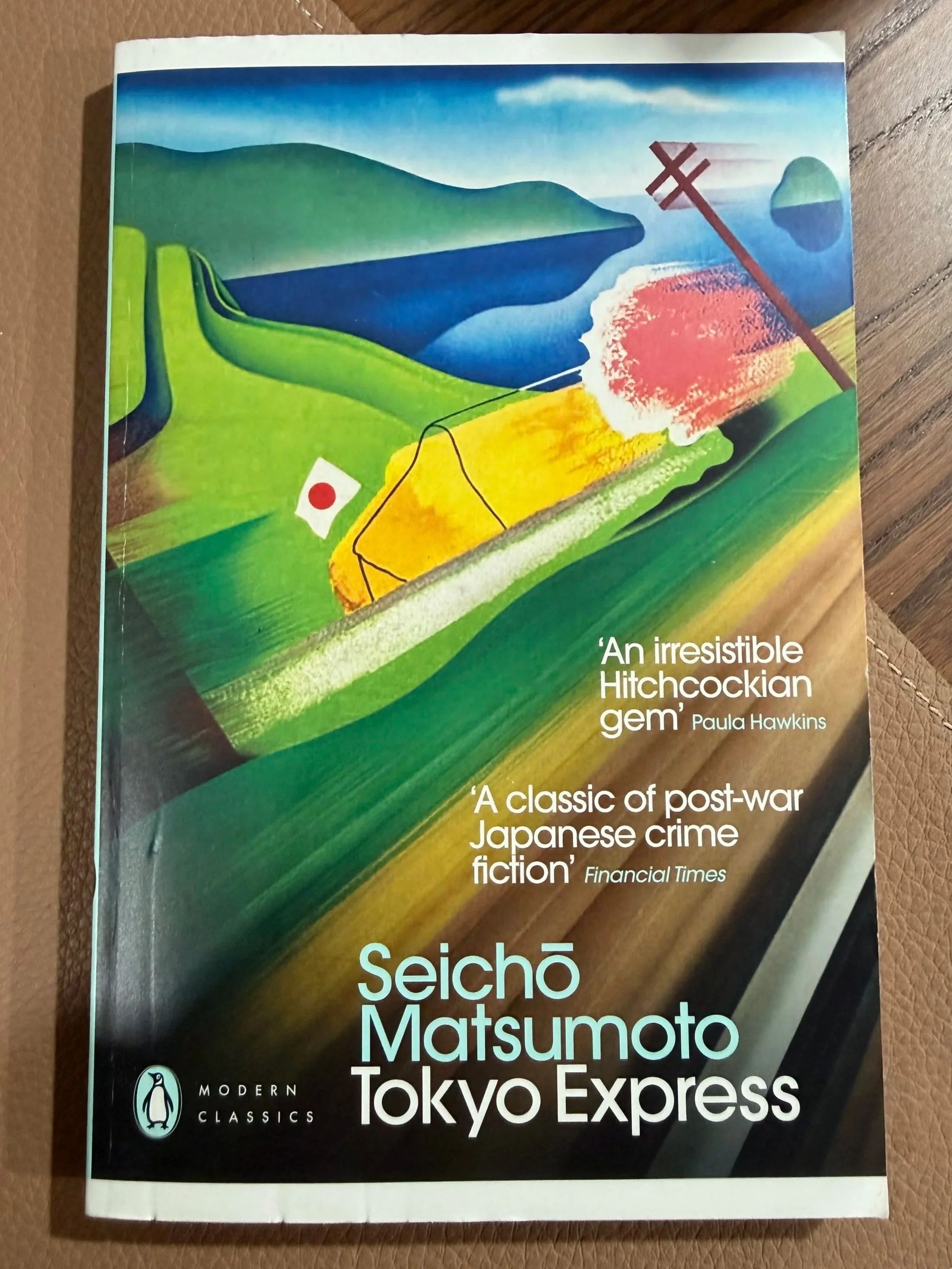
Seicho Matsumoto’s Tokyo Express (Image: Damien Wilkinson)
Matsumoto (b. 1909, d. 1992) has been long regarded as one of Japan’s foremost crime writers with a considerable output of Japanese fiction between 1958 and 1988.
“Points and Lines” (previously known as “Ten to Sen”), was Matsumoto’s first novel, published in 1958 Although first translated into English in 1970, a new translation in 2022 by Jesse Kirkwood saw the novel republished as “Tokyo Express”.
The Tokyo Express commences with the announcement of a double suicide of a couple on Kashii beach along a train route they were seen taking prior to their demise.
Enter, seasoned local police detective, Jutaro Toriagi who questions the suicide conclusion others have reached, and following a visit from Kiichi Mihara from the Tokyo Police, helps the younger detective purse a number of leads surrounding the events.
Mihara’s journey is closely interlinked with minute detail of train timetables, which play a pivotal role in solving the mystery, and it becomes a case of dogged perseverance as many of the initial suppositions lead him nowhere.
Set in 1950’s Japan, the novel had a classic mystery wrapped around a golden age of Japan’s railway system and the hierarchical nature of society.
I really enjoyed the book, encouraging me to delve into further fiction from Matsumoto.
Inspector Imanishi Investigates - Seicho Matsumoto (translated by Beth Cary) (Penguin Classics)
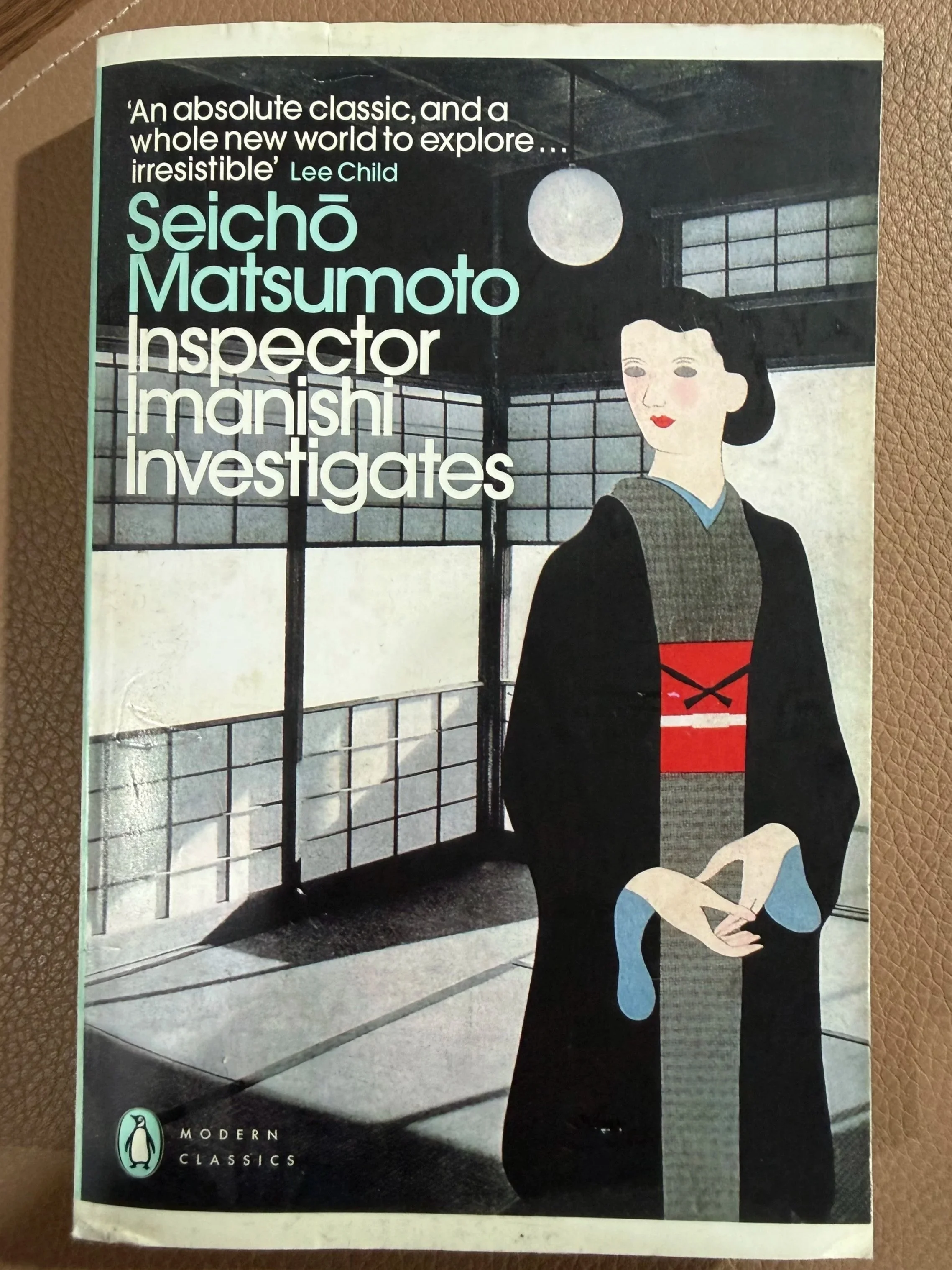
Seicho Matsumoto’s Inspector Imanishi Investigates (Image: Damien Wilkinson)
Matsumoto’s novel, set in the 1960’s, chillingly starts with the discovery of a badly disfigured dead body, under the rails of a train.
Inspector Imanishi, assigned to the case, has very little evidence to pursue, mainly centering around the particular dialects of two men overhead talking and the word “kameda”.
After months of fruitless questioning and false leads, the case is eventually closed, unsolved, but a series of subsequent odd occurrences divert Imanishi back to the thick of solving the mystery.
As with his other novels we are then taken through a number of separate sub-stories which initially seem unrelated, but begin to weave themselves together as we accompany Imanishi on his journey of investigation.
The novel eventually reaches its gripping conclusion and is an enjoyable offering from Matsumoto, who paints a meticulous account of Japanese life in the early 1960’s.
A Quiet Place - Seicho Matsumoto (translated by Louise Heal Kawai) (Penguin Classics)
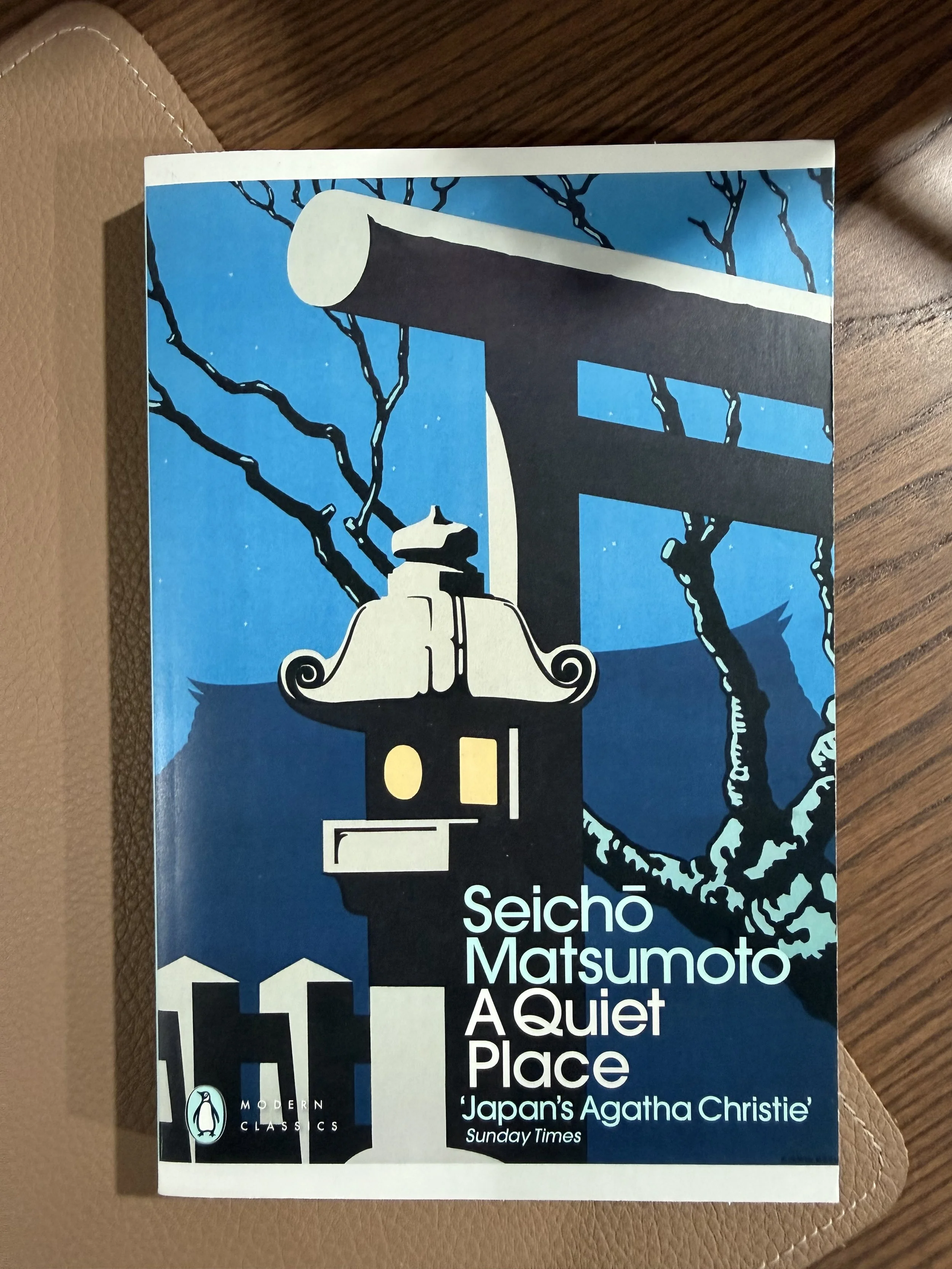
Seicho Matsumoto’s A Quiet Place (Image: Damien Wilkinson)
The third Matsumoto novel I’ve read, starts with the main character, Tsuneo Asai, receiving news, whilst on a business trip, that his wife has died of a heart attack in a shady Toyko boutique.
Despite a known heart condition, the surrounding circumstances jar significantly with Asai; his wife being extremely shy and reclusive, generally only leaving the house to go to haiku meetings, which leads him to try and uncover more about what actually happened.
A tangled web of deceit and a double life emerges as Asai gradually pieces together his wife’s recent past to explain what actually transpired.
It’s less of a who-dunnit puzzle but a more psychological journey of discovery for Asai, who, it has to be said, shows a cold detachment to the loss of his wife, being more concerned with not impacting his superiors on a business trip.
Another impressive book within Matsumoto’s extensive catalogue, and an enjoyable novel that whets the appetite for further exploration of this important Japanese author.
More book reviews to follow in Part 2 of this article.
